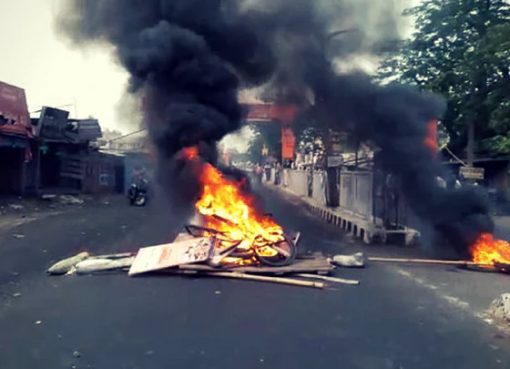


The plight of Hindus in Bangladesh has undergone a sinister evolution. Once marked by large-scale pogroms and genocidal violence, the pattern now unfolds as a methodical, sequential annihilation designed to instill paralyzing fear. This insidious strategy aims to compel the entire community to abandon their ancestral lands and flee to neighboring India. With no viable options left, each Hindu is increasingly compelled to resist – not just for survival, but for vengeance against decades of erasure.
Historical precedents paint a grim backdrop. The 1971 Liberation War saw systematic targeting of Hindus, with estimates of 2-3 million killed, many identified by their faith. Post-independence, riots in 1980s Chittagong and 1990s Dinajpur claimed thousands more. These overt massacres have receded, replaced by a subtler war of attrition. Radical Islamist groups like Jamaat-e-Islami and Hefazat-e-Islam orchestrate low-intensity attacks: temple desecrations, land grabs via Waqf laws, and targeted killings disguised as crimes. The goal? Psychological demolition, forcing self-exile.
Recent data underscores the shift. Bangladesh Hindu Buddhist Christian Unity Council reports over 2,000 attacks on minorities in 2025 alone, including 500 temple vandalisms and 300 land encroachments. Hindu population has plummeted from 22% in 1951 to under 8% today, per official censuses – though independent estimates suggest even lower. In Noakhali, once a Hindu stronghold, families report nightly threats: “Leave or face fire.” A 2024 Human Rights Watch dossier details 150 murders framed as “personal disputes,” with police inaction.
This sequential persecution thrives on impunity. Bangladesh’s Awami League government, once seen as secular, has faltered under Islamist pressure. Prime Minister Sheikh Hasina’s 2024 ouster amid student-led protests empowered Jamaat, whose student wing Islami Chhatra Shibir now dominates campuses. Courts routinely deny justice; a Comilla court in November 2025 acquitted 25 accused in a temple arson, citing “lack of evidence.” Vested properties – Hindu lands declared enemy holdings post-1965 Indo-Pak war – total 1.5 million acres, funneled to Muslim settlers.
Personal stories reveal the human toll. In Sunamganj, 65-year-old priest Rabindra Nath faced mob violence after refusing to vacate his temple-adjacent home. “They burned my puja room first, then came for me,” he recounted before fleeing to India via Akhaura border. Women endure targeted horrors: rapes in Jessore and forced conversions in Sylhet, often unprosecuted. Diaspora voices amplify these: BJP MP Nishikant Dubey cited UN data in Parliament, noting 1,200 Hindus crossed into India monthly in 2025.
India’s role looms large. Citizenship Amendment Act (CAA) fast-tracks refuge for persecuted minorities from Bangladesh, Pakistan, Afghanistan. Over 50,000 Hindus availed it by 2026, per Home Ministry. Assam and West Bengal border states absorb influxes, straining resources yet bolstering narratives of “infiltration.” Prime Minister Narendra Modi’s government has raised alarms globally, with External Affairs Minister S Jaishankar decrying Bangladesh’s “ethnic cleansing” at the UNGA in September 2025.
Resistance is stirring. Hindu organizations like Bangladesh Jatiya Hindu Mahajagaran Mancha mobilize self-defense. In Cumilla, youth formed Rakhi Bahini patrols, repelling a 2025 mosque expansion onto temple land. Clandestine arms training echoes 1971 Mukti Bahini tactics. Exiled leader Rana Dasgupta warns: “Passive flight ensures extinction; armed vigilance is dharma.” Vengeance rhetoric hardens: graffiti in Khulna reads “Blood for blood,” signaling a break from Gandhian non-violence.
Critics decry this as inflammatory. Bangladesh Foreign Minister Hasan Mahmud dismisses claims as “Indian propaganda,” touting minority protections. Yet Amnesty International’s 2025 report contradicts, documenting 400 hate crimes. Domestically, BNP leaders like Khaleda Zia’s faction urge calm, fearing radicalization backlash.
Geopolitically, this exodus reshapes South Asia. A Hindu-free Bangladesh eases Islamist consolidation, alarming India amid China-Pakistan axis. Beijing’s Belt and Road investments in Chittagong port fund radical madrasas, per US intelligence leaks. Pakistan’s ISI allegedly funnels funds to Hefazat, sustaining the purge.
For Bangladesh’s 13 million Hindus, existence demands defiance. Sequential annihilation breeds not submission, but resolve. As one Sylhet exile put it: “We fled 1971; we won’t again without fight.” India’s open borders offer sanctuary, but ultimate salvation lies in reclaiming roots – through resistance, reclamation, or retribution.
This new persecution paradigm – terror by increments – tests resilience. Without international intervention or internal reform, Bangladesh risks becoming a mono-religious state, its Hindu mosaic shattered. The world must heed: silence enables erasure.
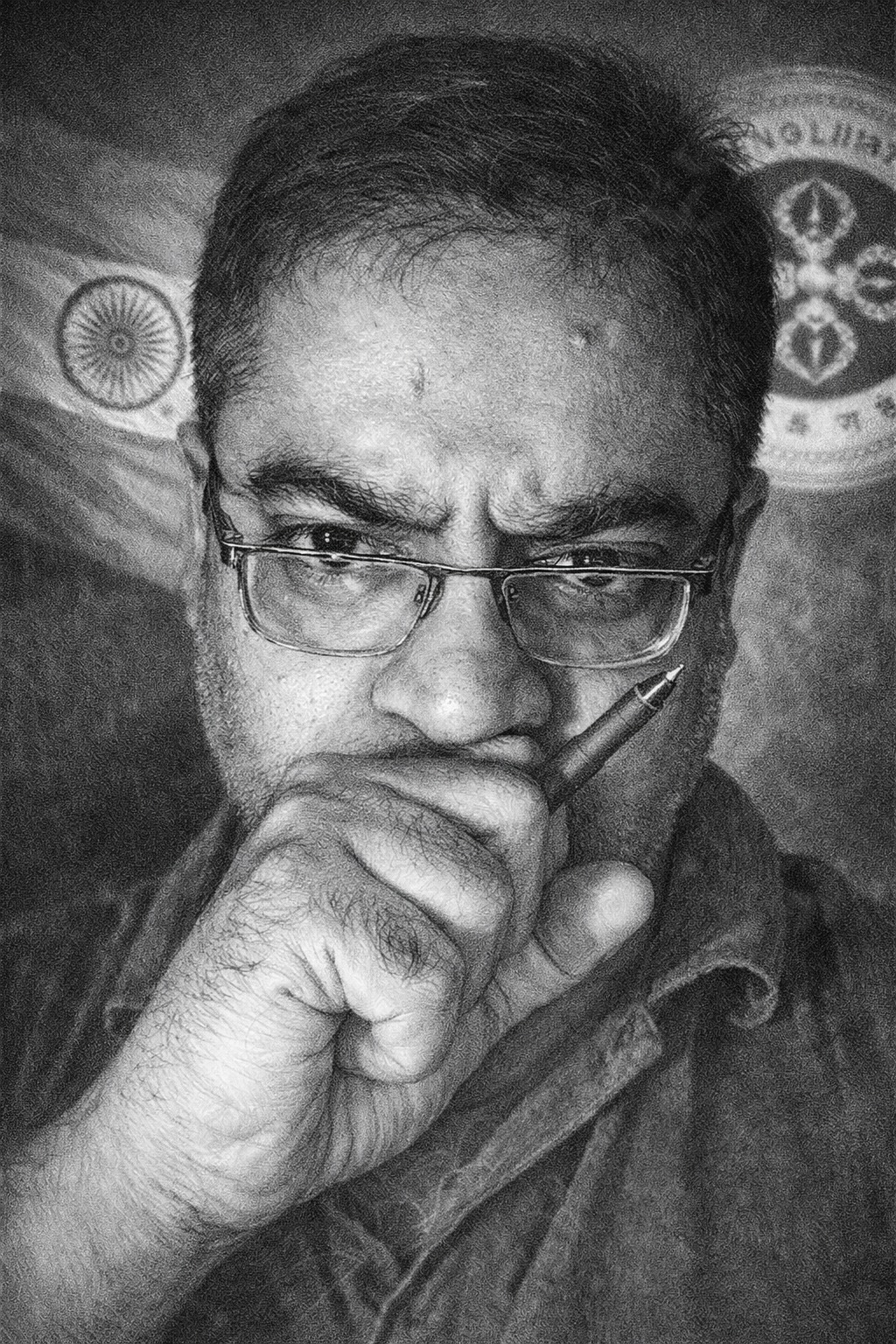
শ্রী অনিমিত্র চক্রবর্তী হলেন একজন সাংবাদিক ও বিভাগীয় লেখক (columnist) এবং বেঙ্গল ভলান্টিয়ার্সের এক সক্রিয় কর্মী।